Built for the Long Haul
At its branch in Pilsen in the Czech Republic, Fujitrans runs warehousing and forwarding operations that connect production sites and supply chains across Europe. As part of a global logistics network with offices around the world, the Pilsen team is under constant pressure to keep material moving — accurately, predictably, and without surprises.
Company: Fujitrans
Industry: Freight Forwarding & Logistics
Location: Pilsen, Czechia
Local Partner: DREAMland PLC & Robots
AMR setup: Nord Lift Platform + MiR

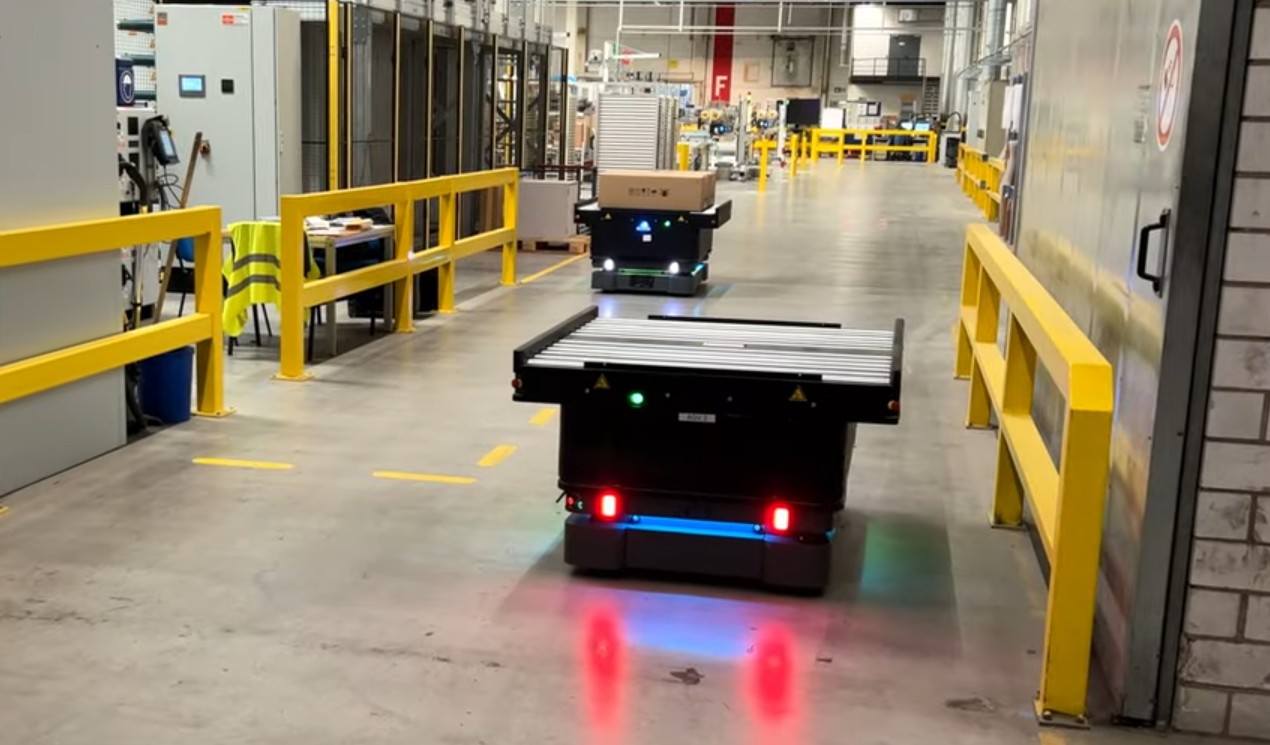
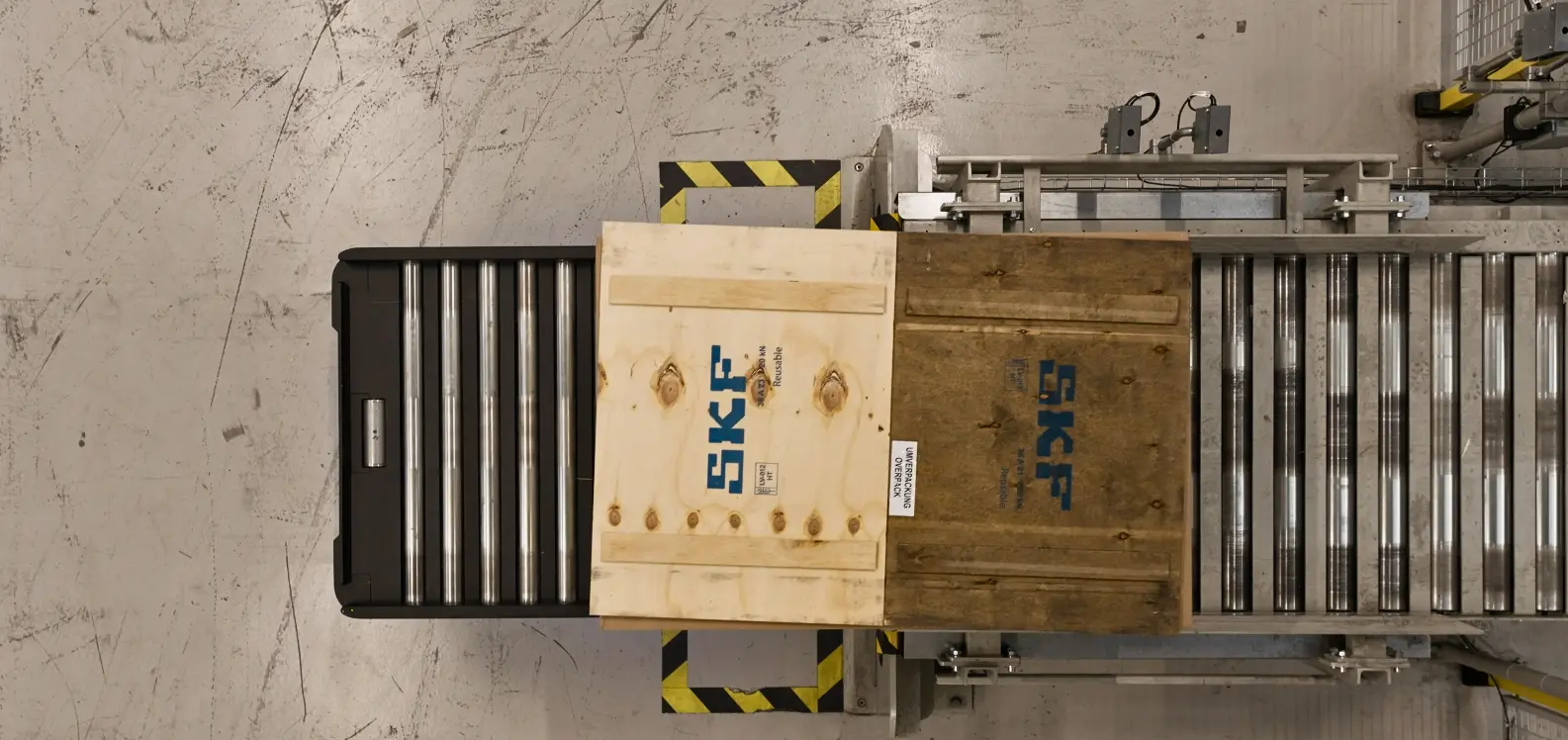
The site had already taken its first step into automation: an AMR was handling material transport between two warehouses, replacing what used to be one operator running three forklifts. The principle was right. The first-generation lift sitting on top of the AMR wasn’t.
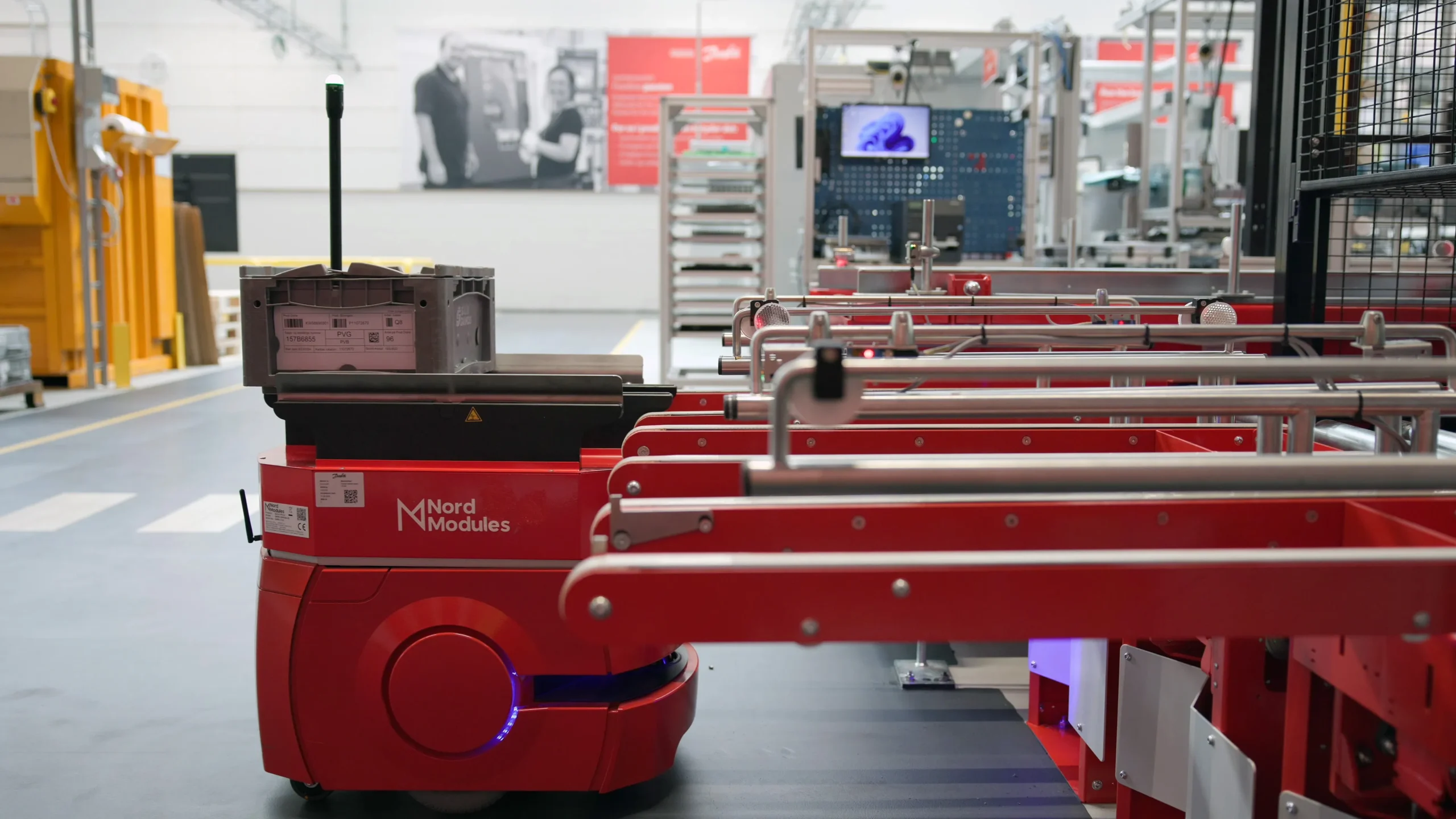
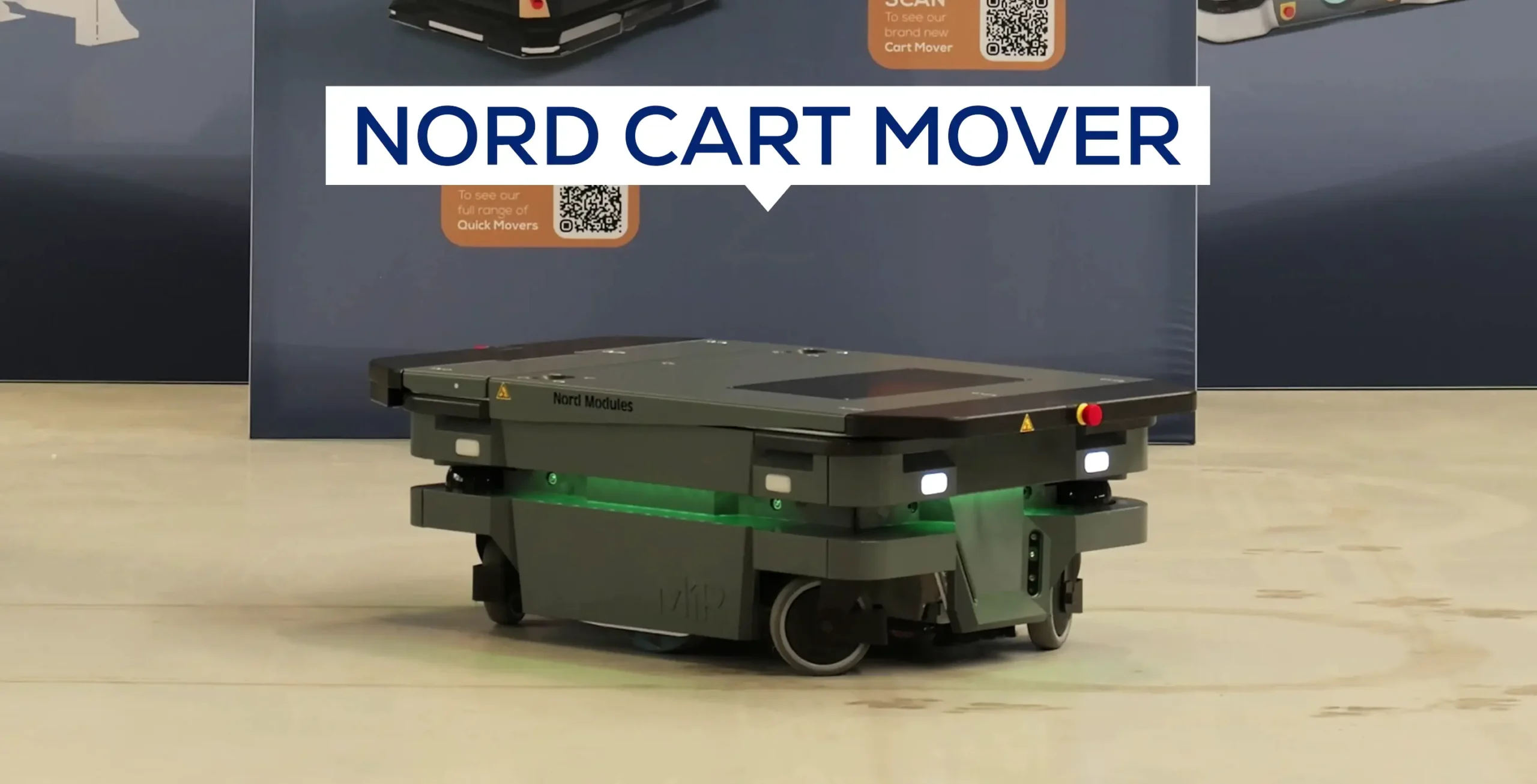
Together with our integration partner DREAMland PLC & Robots, Fujitrans upgraded to a MiR autonomous mobile robot equipped with the Nord Lift Platform — and turned a promising-but-fragile setup into a workhorse that now completes around 40,000 cycles a year.
THE CHALLENGE
A solid AMR, held back by an unreliable lift
The case for automation had been clear from the start. One forklift operator moving material on three forklifts between two warehouses was an obvious candidate for an AMR, and Fujitrans had made that move. But the top module sitting on the AMR turned out to be the weak link in the system.
The previous lift needed to be restarted several times a day. On some shifts, operators had to step in and control it remotely from a computer just to keep the route running. For an internal logistics process that runs constantly, that level of intervention adds up — costing time, attention, and trust in the automation that was supposed to free both up.
The brief for the next step wasn’t to add more automation. It was to make the existing AMR genuinely autonomous.
THE SOLUTION
A lift built to outlast the route

Fujitrans and DREAMland selected the Nord Lift Platform on the strength of one number that mattered to them more than any other: a minimum life expectancy of 600,000 lift cycles. At Fujitrans’ working volume of around 40,000 cycles per year, that translates to well over a decade of operation before the platform itself becomes the limiting factor — turning the lift from a recurring repair item into a long-term piece of infrastructure.
The Nord Lift Platform is compatible with the MiR500, MiR600, MiR1000, and MiR1350, and is built around industrial-grade components engineered and tested for exactly this kind of continuous, repeatable workload.
Two practical features stood out on the floor:
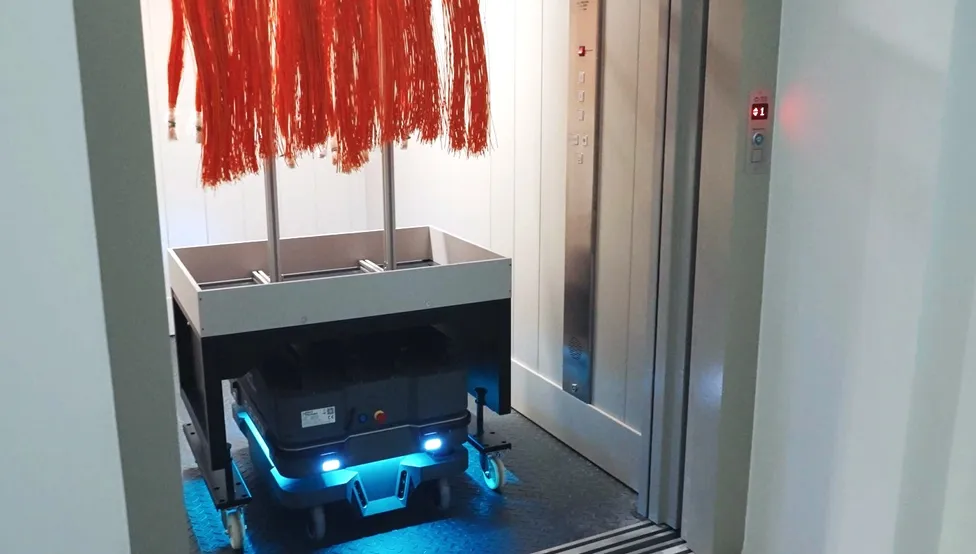
- Integrated blue light — installed directly into the lift, signalling its movements clearly to operators sharing the working area.
- On-device manual controls — physical buttons on the lift itself, so operators can take direct control when needed without having to return to a computer.
The previous lift had neither. With the new platform, the safety story and the operator experience both got simpler.
“We chose a new lift from Nord Modules because its life expectancy is a minimum of 600,000 cycles. We came to the conclusion that it was worth investing in this lift, so that we don’t have to invest in repairs every year.”
— Jiří Jagla, Fujitrans

From daily restarts to real autonomy
The clearest measure of the change is what the team has stopped doing. The daily restarts are gone. The remote interventions from the computer are gone. The AMR picks up its load, runs its route between the two warehouses, and delivers — around 40,000 times a year, fully automated.
“Thanks to the new lift from Nord Modules, our efficiency improved. With the old lift, we had to restart it several times a day and sometimes control it remotely from the computer. After installing the new lift, everything is fully automated and we can rely on it much more.” — Jiří Jagla, Fujitrans

Reliability as a long-term decision
Fujitrans’ upgrade is a useful reminder that AMRs are systems, not single products. The robot platform sets the foundation, but the top module determines whether the system actually runs unattended day after day. When the lift is the limiting factor, every other efficiency gain stops short.
Choosing a top module built for the cycle count of the actual workload — and then some — turns automation from a fragile setup into a piece of infrastructure the operation can plan around. That’s the difference between an AMR that needs supervising and one the team can genuinely rely on.